Standing in a stripped 5×8 Florida bathroom, staring at exposed studs and a dumpster ticket taped to the door frame, the first question is always the same: does the budget survive demo day? A gut job strips every surface down to framing and slab. The numbers on the estimate sheet either hold up line by line or they do not. This baseline review checks whether the standard cost range for a full bathroom tear-out covers the work before county inspectors get involved.
Contents
- What does a full bathroom gut cost in Florida before permits?
- How much does bathroom demolition and dumpster rental add to the line items?
- What are the rough plumbing and framing costs for a standard bathroom renovation?
Key takeaways
- A complete bathroom gut in Florida costs between $12,000 and $30,000 before permit fees.
- Demolition for a Florida bathroom gut runs $1,500 to $3,500 , covering tear-out of drywall, subfloor, old plumbing fixtures, and disposal.
- Rough plumbing for a bathroom renovation where fixtures stay in place costs $2,500 to $5,000 in Florida.

A Florida Bathroom Remodel Gut Lands Between 12 and 30 Thousand Before Permits.
What does a full bathroom gut cost in Florida before permits?
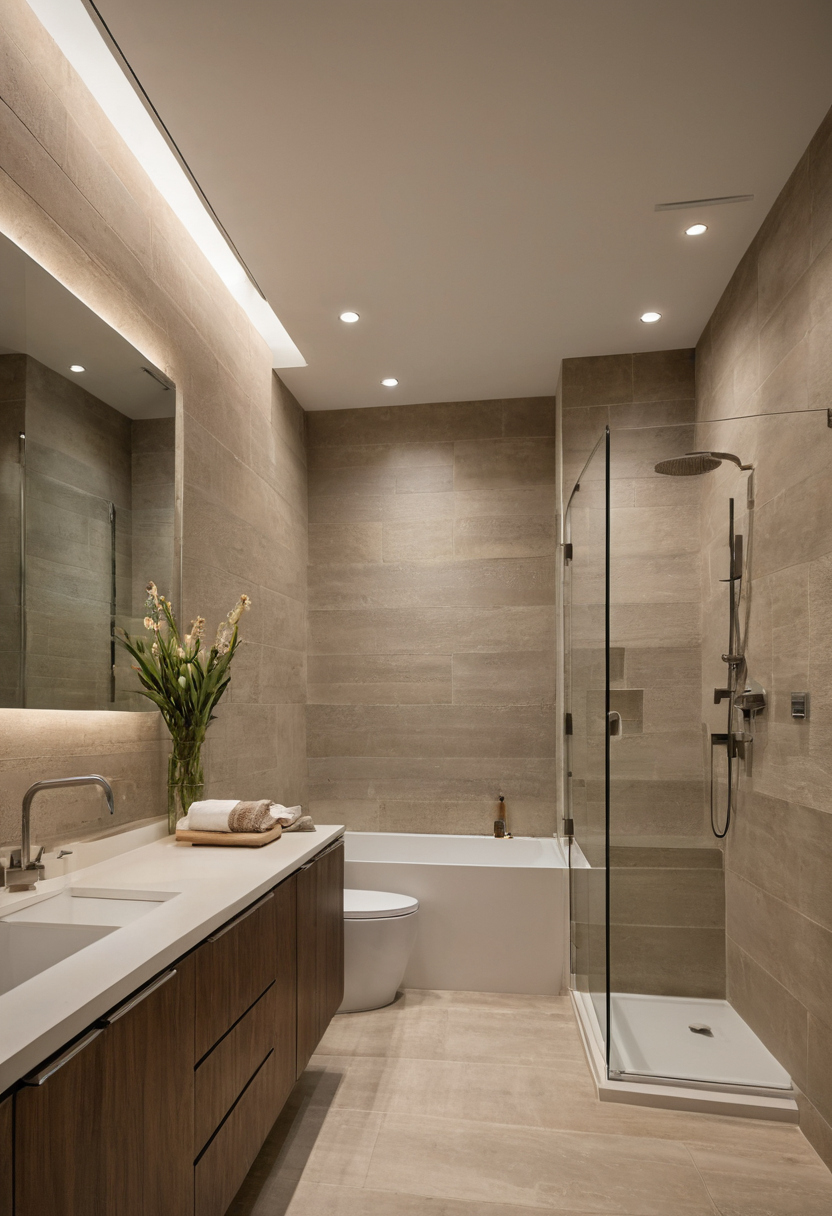
A complete bathroom gut in Florida costs between $12,000 and $30,000 before permit fees. This baseline covers demolition, rough plumbing, cement board, waterproofing membranes, tile labor, standard fixtures, and dumpster pulls for a typical 40 to 80 square foot layout using mid-range materials.
The range exists because a 5×8 hall bath kept in its original footprint lands near the bottom, while an 8×10 primary suite with relocated drains pushes toward the top. Pricing reflects material and labor rates common across Florida counties in 2026. The numbers hold up when you build the estimate from actual bid line items rather than contractor allowances that hide the real math.
What does a full bathroom gut cost in Florida before permits.
Review the baseline sequence before signing a proposal. A full gut follows a fixed order of operations, and skipping a step usually means paying twice:
- Demo and haul. Strip the room to the studs and slab. Rent a 10-yard dumpster for the debris. Budget separately for heavy disposal like cast iron tubs or concrete backer board.
Porcelain tile dominates these line items for a reason. It handles constant moisture without extra maintenance. Natural stone used in wet areas requires appropriate sealers to prevent staining and moisture absorption compared to porcelain tile (Natural Stone Institute). That sealer adds recurring cost and labor to the long-term budget, the tradeoff for choosing marble or travertine over a durable ceramic alternative.
This checklist prices the job after the room is stripped. But getting the room to bare studs costs money too. How much does bathroom demolition and dumpster rental add to the line items?
How much does bathroom demolition and dumpster rental add to the line items?
Demolition for a Florida bathroom gut runs $1,500 to $3,500, covering tear-out of drywall, subfloor, old plumbing fixtures, and disposal. A 10-yard dumpster pull typically costs $400 to $700 per haul, with most full guts requiring one to two pulls depending on debris weight and county landfill tipping fees.
Demo labor in Florida markets usually runs between $65 and $95 per hour per worker for a two-person crew. A standard 5×8 bathroom takes that crew roughly two to three days to strip down to the studs and joists. The final number depends heavily on what sits behind the existing tile. Older homes often hide multiple layers of flooring, plaster walls instead of drywall, or galvanized supply lines that crumble when you try to cap them. Every unexpected layer adds hours to the ticket.

How much does bathroom demolition and dumpster rental add to the line items.
Dumpster rental pricing follows the same logic. Haulers charge by container size and weight allowance. A 10-yard bin handles most small bathroom guts, but concrete backer board, mortar beds, and cast iron fixtures use up the tonnage limit fast. County landfill tipping fees across Florida range from about $45 to over $80 per ton, and the hauler passes those fees directly to the job. If the bin hits its weight limit before the demo finishes, the second pull adds another $400 to $700 to the bathroom renovation cost.
The subfloor structure dictates how aggressive the demo gets. Slab-on-grade construction behaves differently than wood framing:
Ventilation matters during this phase. Stripping old materials often means scraping away mastics, adhesives, and sealants that off-gas. The U.S. Environmental Protection Agency recommends increasing ventilation when using products that emit volatile organic compounds indoors (EPA guidance on VOCs). Running an exhaust fan or placing a box fan in the window keeps the air moving while the crew works with chemical strippers or solvent-based adhesives.
Disposal weight adds to the problem. Broken cast iron fills the heavy-debris allowance of a 10-yard dumpster almost immediately. If your estimate assumes one pull based on drywall and tile weight, a cast iron tub guarantees a second trip to the transfer station. Confirm the tub material during the initial walkthrough so the bid reflects the actual disposal cost rather than surprising you on demo day.
Lighting the work area matters in the early stages, too. Once the main fixtures come out, the room goes dark. Temporary work lights are mandatory for safety. Crews increasingly rely on LED bulbs for these temporary setups because ENERGY STAR states that qualified LED lighting uses at least 75 percent less energy and lasts up to 25 times longer than incandescent lighting (ENERGY STAR LED data). They run cooler in a closed Florida bathroom and rarely burn out mid-job.
Once the dumpster pulls away and the dust settles, the exposed framing and subfloor reveal what the rough-in phase demands. Knowing the demo numbers raises the next question: what are the rough plumbing and framing costs for a standard bathroom renovation?
What are the rough plumbing and framing costs for a standard bathroom renovation?
Rough plumbing for a bathroom renovation where fixtures stay in place costs $2,500 to $5,000 in Florida. Moving a drain or supply line adds $1,000 to $3,000 per fixture relocated. Framing repairs behind wet areas typically run $500 to $1,500 when replacing rotted studs or sistering joists under a shower pan.
Licensed plumbers in South Florida and Central Florida charge between $95 and $150 per hour for rough-in work. A standard three-fixture bathroom with no layout changes takes a two-person crew roughly two days to plumb. The cost difference between keeping the existing layout and moving plumbing lines is the single largest variable on the estimate sheet. Keeping the toilet, vanity, and shower valve within six inches of their original positions avoids cutting new slab penetrations or rerouting waste stacks through floor joists.
Framing repair estimates depend heavily on what demo day exposes. Florida humidity means wood framing behind showers and tubs often shows water damage once the cement board comes off. Replacing two or three rotted bottom plates or sistering a sagging joist under a shower pan keeps the framing budget near $500. Extensive rot across an entire wall pushes that number toward $1,500. The U.S. Environmental Protection Agency guide to mold and moisture states that condensation and wet or damp spots should be fixed promptly to prevent mold growth, which applies directly to residential moisture-control planning for bathrooms and other damp indoor areas (EPA mold and moisture guide). Leaving compromised lumber inside a closed wall guarantees callbacks.
Slab-on-grade construction common in Florida block homes limits plumbing access compared to raised wood-frame floors. Cutting concrete to move a drain requires a core drill, jackhammer work, and repouring the trench. Raised floors allow a plumber to route new PVC from below if crawl space access exists. Slab work adds labor hours and disposal weight that raised floors avoid.
The Florida Building Code requires the center of the toilet flange to sit at least 15 inches from any finished side wall. Older bathrooms often have flanges set at 12 inches because they were framed before current code cycles. Correcting that measurement during a gut job means breaking concrete even when the homeowner wants the toilet in the same general spot. Budget for the correction early rather than discovering it after the waterproofing membrane goes down.

What are the rough plumbing and framing costs for a standard bathroom renovation.
Closed walls also trap fumes from fresh materials. The U.S. Environmental Protection Agency identifies paints, varnishes, waxes, cleaning products, building materials, and furnishings as common indoor sources of volatile organic compounds during residential finish planning (EPA VOC guidance). Running an exhaust fan during primer and thinset application keeps air quality manageable in a small room.
Lock the fixture locations before signing the plumbing contract. Measure the existing flange-to-wall distance, mark the vanity drain center, and confirm the shower valve height against stud bays. Changing those coordinates later costs real money in concrete cuts and copper fittings. That discipline keeps the baseline estimate honest and stops the bathroom remodel cost from climbing past the $30,000 ceiling before tile labor even begins.
For more on this topic, see other guides on this site.


0 Comments